Advancing Humanoid Robot Advancements Today
- Or Alkalay
- Mar 15
- 4 min read

Humanoid robots are no longer just a dream from sci-fi movies. They are here, evolving fast, and changing the way we think about technology. Every day, new breakthroughs push these robots closer to human-like abilities. Curious about what’s happening right now? Let’s dive into the exciting world of humanoid robot advancements and see what’s shaping the future.
What Makes Humanoid Robots So Special?
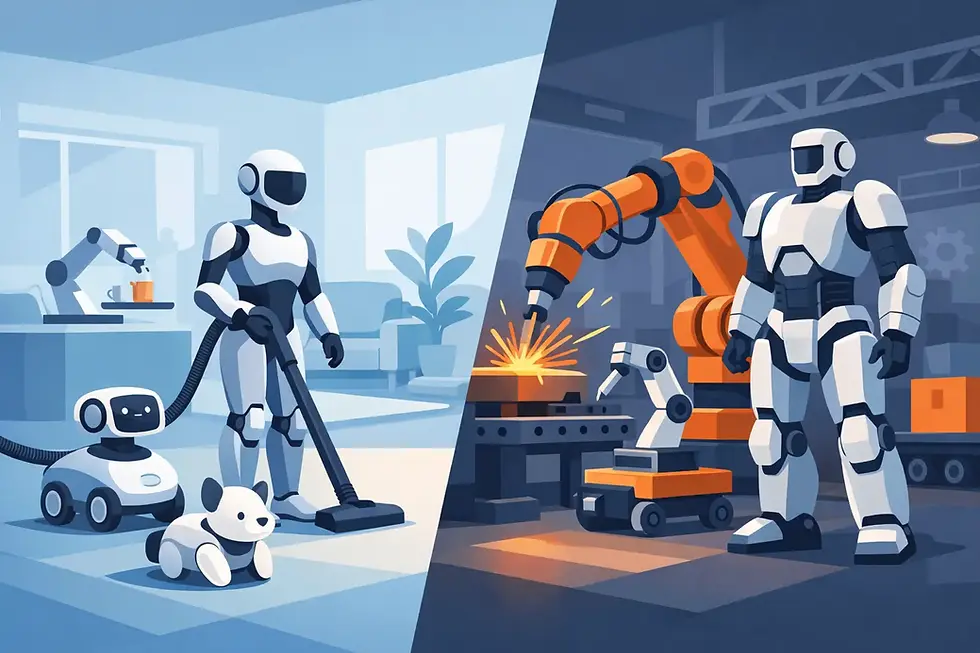
Humanoid robots are designed to look and move like us. But why? The answer is simple: they fit into human environments better. Imagine a robot that can open doors, climb stairs, or even shake your hand. That’s the goal. These robots can work alongside humans, helping in homes, offices, and factories.
The challenge? Making robots that can balance, walk smoothly, and interact naturally. It’s not just about mechanics. It’s about intelligence, sensors, and software working together. The latest humanoid robots use advanced AI to understand their surroundings and make decisions on the fly.
Here’s what’s driving these advancements:
Improved sensors that mimic human senses like touch and sight.
Better actuators for smooth, human-like movements.
AI algorithms that learn and adapt in real-time.
Lightweight materials that make robots agile and energy-efficient.
These improvements mean robots can do more complex tasks. They’re not just machines; they’re becoming partners.

Key Humanoid Robot Advancements Changing the Game
Let’s break down some of the coolest advancements happening right now.
1. Enhanced Mobility and Balance
Walking on two legs is tough. Humans spend years mastering it. Robots? They need special tech to keep from falling. Recent progress in balance control systems and dynamic walking algorithms has made robots more stable. Some can even run, jump, and recover from slips.
For example, Boston Dynamics’ Atlas robot can perform backflips and parkour moves. These feats show how far mobility has come. But it’s not just about stunts. Smooth walking means robots can navigate crowded spaces and uneven terrain, making them practical for real-world use.
2. Advanced Perception and Interaction
Robots need to see and understand their environment. Cameras, LIDAR, and depth sensors help them map spaces. But perception goes beyond just seeing. Robots now use AI to recognize objects, people, and even emotions.
This means better interaction. Robots can respond to voice commands, gestures, and facial expressions. Imagine a robot assistant that knows when you’re stressed and offers help. This level of empathy is becoming possible thanks to advances in machine learning and natural language processing.
3. Dexterous Manipulation
Hands are tricky. Grasping objects of different shapes and sizes requires fine motor skills. New robotic hands use flexible materials and multiple sensors to mimic human touch. This allows robots to handle delicate items like fruits or tools without dropping or crushing them.
This advancement opens doors for robots in healthcare, manufacturing, and service industries. They can assist with surgeries, assemble electronics, or serve customers with precision.

How AI is Powering Humanoid Robot Advancements
Artificial intelligence is the brain behind these robots. It helps them learn from experience and improve over time. Machine learning models analyze data from sensors to make decisions quickly. This is crucial for tasks like walking on uneven ground or picking up fragile objects.
Reinforcement learning, a type of AI, allows robots to practice tasks in simulations before trying them in the real world. This reduces errors and speeds up development. Plus, AI enables robots to communicate naturally with humans, making interactions smoother and more intuitive.
One exciting area is collaborative robots or cobots. These robots work side-by-side with humans, sharing tasks safely. AI helps them understand human intentions and adjust their actions accordingly. This teamwork boosts productivity and safety in workplaces.
Practical Applications of Humanoid Robots Today
You might wonder, where are these robots actually used? The answer: everywhere. Here are some real-world examples:
Healthcare: Robots assist with patient care, rehabilitation, and surgery. They can lift patients or deliver medicine, reducing strain on staff.
Customer Service: Humanoid robots greet visitors, provide information, and guide people in airports, malls, and hotels.
Manufacturing: Robots handle assembly lines, quality checks, and packaging with high precision.
Education: Robots serve as tutors or companions, helping students learn coding, languages, or social skills.
Disaster Response: Robots enter dangerous areas to search for survivors or assess damage without risking human lives.
These examples show how humanoid robots are not just futuristic ideas but practical tools improving many industries.
What’s Next for Humanoid Robot Advancements?
The future looks bright. Researchers are focusing on making robots more autonomous, adaptable, and affordable. Here’s what to watch for:
Energy Efficiency: Longer battery life and better power management will let robots work longer without recharging.
Emotional Intelligence: Robots that understand and respond to human emotions will improve social interactions.
Swarm Robotics: Groups of robots working together to complete complex tasks faster.
Customization: Robots tailored to specific industries or individual needs.
Ethical AI: Ensuring robots make decisions that are safe, fair, and transparent.
The race to perfect humanoid robots is on. It’s a mix of engineering, AI, and creativity. And it’s happening now.
If you want to stay updated on the latest in robotics, check out We-Are-The-RobotS. They’re building a global hub for everything related to humanoid robots. It’s a great place to connect with experts, discover new tech, and explore opportunities.
Join the Humanoid Robot Revolution
Humanoid robot advancements are reshaping our world. They bring new possibilities for work, care, and daily life. The technology is evolving fast, and the potential is huge. Whether you’re a business looking to innovate or a tech enthusiast eager to learn, now is the time to get involved.
Keep an eye on the latest breakthroughs. Experiment with new tools. Share your ideas. The future of humanoid robots is bright, and it’s just getting started.
Ready to see what’s next? The journey is exciting, and the possibilities are endless. Let’s embrace the future of robotics together!


Comments