
Can Robots Cook? Inside the Smart Kitchen

A robot that can walk across a warehouse is impressive. A robot that can make a crisp grilled cheese, avoid burning the butter, clean the pan, and serve it at the right moment is a different level of machine intelligence. So, can robots cook? Yes, but the answer depends on what counts as cooking, how much structure the kitchen provides, and how much human help happens before the first ingredient hits the counter.
The smart kitchen is no longer a sci-fi backdrop. Robot arms are already flipping burgers, assembling bowls, pouring drinks, and preparing repeatable meals in commercial settings. Consumer-ready machines can stir, chop, dispense, and follow guided recipes. The bigger vision is even more exciting: capable humanoids and kitchen robots that understand a home, handle varied tools, and turn a simple command into dinner.
Can Robots Cook Today?
Robots can absolutely cook specific foods under controlled conditions. In restaurants, cafeterias, ghost kitchens, and food production facilities, robotic systems can repeat a narrow set of cooking tasks with exceptional consistency. They do not get tired during a lunch rush, lose track of portions, or forget a timer.
That does not mean a robot has the all-around instincts of an experienced home cook. Most current systems are designed around a defined workflow: a fixed grill surface, pre-portioned ingredients, standardized containers, known cookware, and carefully mapped movements. Give that same machine a cluttered drawer, an unlabeled spice jar, a wet cutting board, and a recipe it has never encountered, and the job becomes dramatically harder.
The distinction matters. Cooking is not one skill. It is a chain of perception, planning, manipulation, timing, safety, cleanup, and taste judgment. Robots have made serious progress on the chain, but they have not solved every link.
What Kitchen Robots Do Best
The first wave of food robots succeeds by owning repetitive, high-volume tasks. Picture a robotic arm moving along a rail, dispensing sauce, placing toppings, or turning food at exactly the same interval all day. That is where automation shines.
Robots are especially good at portioning ingredients, stirring or mixing on a programmed schedule, operating dedicated cooking equipment, and moving prepared items from one station to another. They can also use cameras and sensors to check whether a tray is present, whether food has reached a target color, or whether a container is properly positioned.
For commercial operators, the appeal goes beyond spectacle. Consistency can reduce waste. Precise dispensing can help control costs. A well-designed automated station can keep producing during peak demand while staff focus on hospitality, quality checks, and the problems that do not fit a programmed routine.
At home, the most realistic near-term use is not a fully autonomous chef walking into your kitchen. It is a collection of specialized machines. Think smart countertop cookers, robotic beverage systems, automated coffee equipment, guided cooking appliances, and eventually compact robotic arms that handle a small set of meal-prep actions.
The Hard Part Is Not the Recipe
Recipes look structured on paper: chop an onion, heat a pan, add oil, saute until soft. In a real kitchen, every one of those instructions hides dozens of decisions.
An onion can be large, small, slippery, bruised, or partially peeled. A pan may be too hot because it was left on the burner. Oil may splatter. A utensil could be buried under a towel. The instruction to saute until soft requires visual judgment, timing, and an understanding that the result changes with heat, pan material, moisture, and the cut of the ingredient.
Humans solve these tiny surprises without noticing. Robots need sensors, models, and reliable hardware to do the same. Computer vision helps a robot identify objects and monitor food. Force sensing helps it grip a delicate egg without cracking it or pick up a heavy pot without dropping it. AI planning helps it decide what sequence of actions makes sense. Yet kitchens remain messy, reflective, steamy, and full of objects that change shape as they are handled.
That is why a robot cooking one great demonstration meal is not the same as a robot becoming your everyday sous-chef. The demo proves potential. Daily reliability proves product maturity.
Humanoid Robots Could Change the Equation
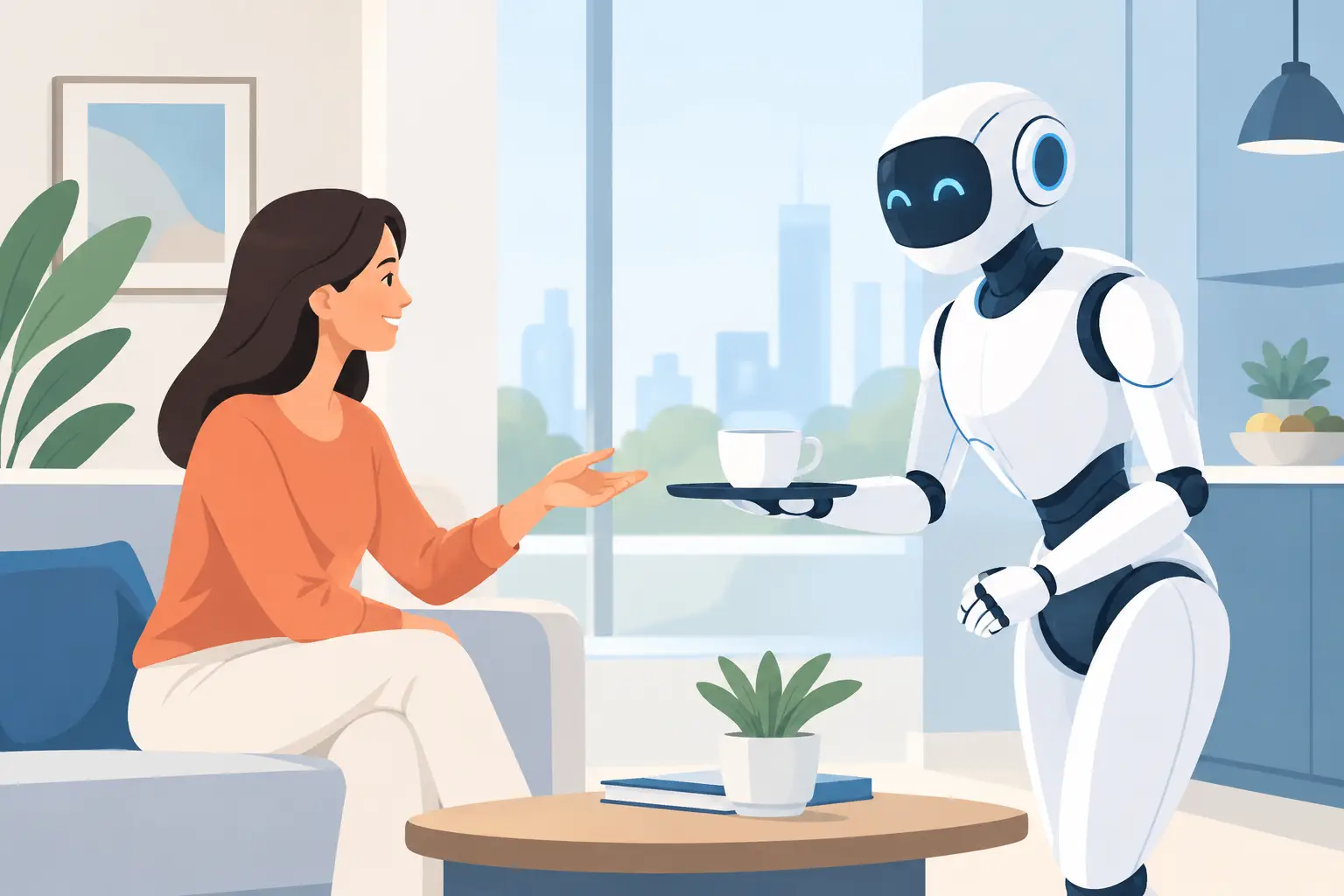
A humanoid robot brings a powerful idea to the kitchen: it is built around the environment humans already use. Our counters, cabinets, refrigerators, knobs, utensils, and appliances were designed for human hands and human height. A capable humanoid may not need an entire kitchen rebuilt around it.
This is where the future gets seriously interesting. Advanced humanoids from global robotics leaders are being developed to navigate human spaces, recognize objects, follow natural-language directions, and manipulate everyday items. Those capabilities are directly relevant to meal preparation. Opening a refrigerator, carrying ingredients, loading a dishwasher, or placing a pot on the stove all require more than a single-purpose cooking machine.
But versatility comes with a trade-off. A general-purpose humanoid must be safe around people, robust enough for repeated work, affordable enough to deploy, and dexterous enough for fine kitchen tasks. A dedicated burger robot can be engineered for one highly optimized station. A humanoid must handle thousands of possible situations. That is a much larger challenge, even if it is ultimately the more transformative one.
Safety Will Decide Who Gets a Place at the Counter
The kitchen combines the exact things roboticists treat carefully: sharp blades, open flames, hot surfaces, glass, water, clutter, and unpredictable people. A robot does not need to be merely clever to cook around humans. It needs to be reliably safe.
This means systems need ways to detect people nearby, limit force, stop quickly, recover from mistakes, and recognize when an action is too uncertain to continue. A robot should not guess whether a pan handle is hot or whether a knife is safely stored. It should have sensors, guardrails, and clear rules for asking for help.
There is also food safety. Temperature control, cross-contamination, cleaning procedures, ingredient tracking, and allergen management may be less glamorous than a robot flipping a perfect pancake, but they are central to real adoption. In commercial kitchens, these capabilities could become a major reason to automate. In homes, they could make robotic assistance genuinely useful for busy families, older adults, and people with limited mobility.
Will Robot Food Taste Good?
A robot can execute a recipe with impressive precision. Taste is more complicated. Great cooking often depends on adjustment: a squeeze of lemon because the sauce feels heavy, another minute in the oven because the vegetables need more color, less salt because the cheese is already intense.
AI can learn patterns from recipes, cooking videos, sensor data, and feedback. It may eventually make increasingly smart flavor and texture decisions. Still, subjective preference is personal. One person wants a steak medium-rare; another wants it well done. One household loves heat; another avoids it entirely.
The winning kitchen robot will not necessarily replace human taste. It may become a responsive tool that remembers preferences, handles the repetitive work, and leaves the final creative choices to the person eating. That is a much more compelling future than a machine that simply follows commands without understanding the goal.
What to Expect Next
Expect commercial food automation to keep advancing first, because controlled environments make the business case clearer. Fast-casual brands, institutional kitchens, and food manufacturers can justify purpose-built equipment when it improves throughput, consistency, or staffing flexibility.
For consumers, progress will arrive in layers. Smart appliances will become more aware of what they are cooking. AI assistants will become better at planning meals around dietary needs and available ingredients. Specialized countertop robots will take on more preparation tasks. Then, as mobile manipulation improves, more general home robots may begin assisting with kitchen work.
The most exciting products will not pretend to be magical. They will clearly show what they can prepare, what supervision they need, how they handle cleanup, and where they stop. That transparency builds trust, especially around heat and food.
The question is no longer whether smart machines belong in the kitchen. They already do. The real question is which tasks you would gladly hand over first. Start there: the chopping, stirring, timing, loading, and cleaning that steal time from the part of cooking people actually love. That is where the next generation of robots can earn a permanent spot on the counter.


Comments