Figure 02 Robot: Hype or Real Breakthrough?

A humanoid robot does not get real attention just because it looks futuristic. It gets attention when the videos suggest speed, control, and a believable path to actual work. That is why the figure 02 robot has become one of the most watched machines in humanoid robotics. It is not just another polished concept. It is a serious attempt to build a robot that can operate in human spaces, use human tools, and eventually handle repeatable physical jobs at scale.
That matters because the humanoid race is getting crowded fast. Tesla Optimus grabs headlines, Boston Dynamics owns the legacy cool factor, and Unitree keeps pushing affordability and motion. Figure is aiming at something slightly different. It wants to be seen as the company building a practical worker first, with consumer fascination coming later. The result is a machine that feels less like a sci-fi mascot and more like a product candidate.
What makes the figure 02 robot different
The biggest shift with Figure 02 is not just appearance. It is the sense of system integration. Compared with earlier humanoid prototypes across the market, this robot looks more like a complete platform. The design appears tighter, the movement looks more deliberate, and the package suggests a company that is thinking beyond demo clips.
Figure has emphasized upgrades in computing, communication, and overall performance. That is where things get interesting. A humanoid robot is only as impressive as the stack behind it. You can have strong mechanics, but if perception is weak, latency is high, or hand control is clumsy, the entire illusion breaks. Figure 02 appears built around reducing that gap between flashy demo and useful machine.
Its hands are a major part of that story. In humanoid robotics, dexterity is where the dream either starts to look practical or falls apart fast. Walking is impressive, but work usually happens with hands. Grasping objects, adjusting to small variations, and performing repeated actions without constant intervention is the hard part. Figure 02 is being positioned as a robot that understands this.
Figure 02 robot and the factory-first strategy
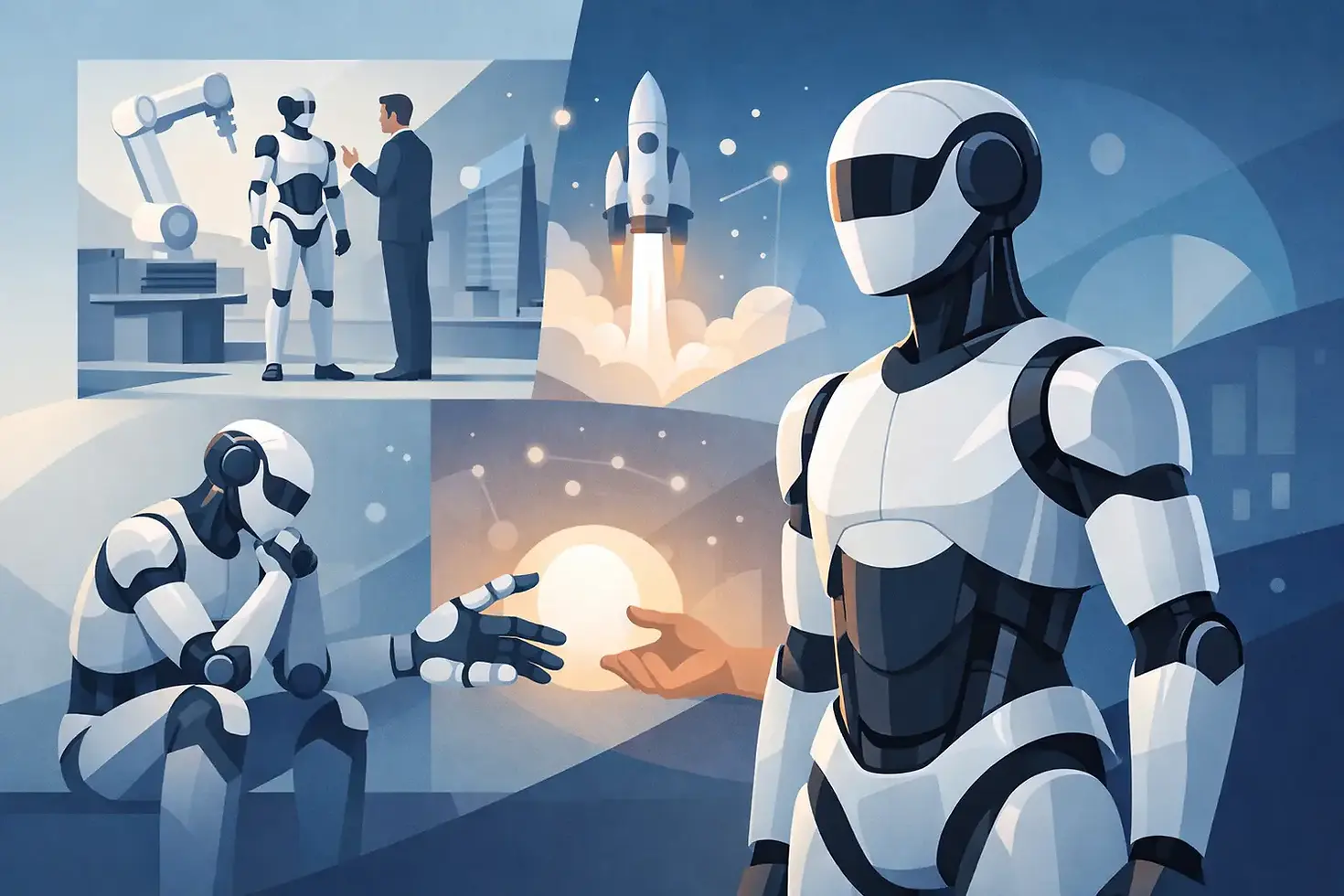
The smartest thing about the figure 02 robot may be where it is aimed. Instead of pretending humanoids are ready to become household assistants tomorrow, Figure has focused attention on industrial environments. That is a much stronger near-term bet.
Factories are structured. Tasks can be repeated. Safety zones can be managed. Workflows can be measured. If a humanoid is going to prove itself in the real world, this kind of environment gives it a fighting chance. It also gives companies a cleaner way to calculate value. If the robot can complete defined tasks, maintain uptime, and reduce labor bottlenecks, then the business case starts to look real.
That does not mean factories are easy. They are full of edge cases, pace pressure, and zero patience for fragile tech. But it does mean the path to deployment is more believable than the fantasy of a general-purpose home robot folding laundry, loading groceries, and chatting about your day. Figure seems to understand that practical credibility beats broad promises.
The AI piece is where this gets serious
A humanoid robot without strong AI is basically an expensive puppet. The reason Figure keeps drawing interest is that its hardware story is paired with a bigger software ambition. The machine needs to perceive, interpret, decide, and act with enough speed to be useful. Not perfect. Just useful often enough to justify being there.
This is why the AI layer matters more than the shell. Vision, language understanding, motion planning, and task execution all have to work together. If Figure can keep tightening that loop, the robot becomes more than a mechanical showcase. It becomes a flexible interface between AI and the physical world.
That is the real prize in humanoid robotics. Not just a walking machine, but a commercially relevant body for advanced AI. A system that can adapt to workplaces designed for people instead of requiring expensive facility redesign. That idea is massive. It is why investors care, why manufacturers are paying attention, and why every new Figure update gets dissected.
Where the figure 02 robot still faces real limits
Excitement is justified, but this market punishes wishful thinking. The figure 02 robot still has to prove durability, consistency, and scale. A few strong demonstrations do not answer the biggest questions.
Can it run for long shifts without constant support? Can it handle small variations in objects and environments without freezing or failing? Can it be maintained economically? Can it operate safely near people while still moving fast enough to matter? These are not minor details. They decide whether a robot becomes a business tool or stays a premium demo platform.
There is also the cost question. Humanoid robots are still expensive machines with expensive development pipelines. Even if the long-term vision is huge, near-term adoption depends on whether performance justifies deployment. A company will not bring in a humanoid just because it looks impressive on camera. The robot has to outperform simpler automation in situations where flexibility really matters.
That trade-off is important. In many settings, a fixed robotic arm is still cheaper, faster, and easier to maintain. A humanoid only wins when the environment is built for humans and the tasks vary enough that conventional automation becomes awkward or costly. Figure is chasing those in-between spaces.
Why the design language matters
One reason Figure stands out is brand discipline. The machine looks intentional. That may sound cosmetic, but it matters. In advanced robotics, design signals maturity. A robot that looks coherent, polished, and productized tends to inspire more confidence than one that feels like an exposed engineering experiment.
For a platform trying to attract enterprise partners, investors, talent, and public interest, presentation is not fluff. It is part of the market strategy. Figure seems to understand that the future of smart machines will not be sold only on technical benchmarks. It will also be sold on trust, clarity, and the feeling that this is heading toward a real product category.
That is one reason the company has built momentum so quickly. It has managed to make humanoid robotics feel current instead of perpetually five years away.
How Figure 02 compares with the humanoid field
This is where things get fun. Every major humanoid player is betting on a slightly different combination of speed, software, design philosophy, and go-to-market timing.
Tesla Optimus has the advantage of ecosystem scale and a built-in manufacturing narrative. Boston Dynamics has unmatched movement credibility and years of engineering respect. Agility Robotics has focused heavily on warehouse relevance. Unitree keeps pushing the conversation around accessibility and rapid iteration.
Figure sits in a compelling middle lane. It feels premium, ambitious, and commercially pointed. It is selling not just humanoid capability, but the idea of a deployable workforce machine. That positioning is strong because it connects futuristic excitement with a business reason to care.
The challenge is that this field moves brutally fast. Today’s polished prototype can become tomorrow’s baseline. Figure has to keep improving autonomy, hand performance, speed, and deployment evidence. The company cannot live on aesthetics and narrative alone.
Who should pay attention to Figure 02 right now
If you are a robotics enthusiast, Figure 02 is one of the clearest signals that humanoids are leaving the novelty phase and entering the product-pressure phase. If you are a business operator, this is the kind of platform worth tracking because it points to where labor automation may get far more flexible. If you are a creator, founder, or tech scout, it is also a reminder that embodied AI may become one of the biggest hardware stories of the next decade.
This robot is especially relevant for people looking beyond entertainment robotics. It represents a category with much bigger commercial gravity. Not everyone will need a humanoid. Most people will not, at least not soon. But industries that rely on repetitive, physically structured tasks should be watching very closely.
At We Are The Robots, this is exactly the kind of machine that captures the moment. It is bold, highly watchable, and pointed at a future that feels close enough to measure.
So, is Figure 02 a breakthrough?
Yes, with an asterisk. It looks like a meaningful step forward in humanoid robotics, especially in how it combines form, dexterity ambition, AI direction, and industrial positioning. But breakthrough does not mean finished. It means the machine has crossed the line from interesting concept to serious contender.
That is a huge difference. A contender has to survive contact with reality. It has to work when the cameras are gone, when the task repeats for the hundredth time, and when the economics get examined by people who do not care about the hype.
Still, this is the exciting part. The figure 02 robot is not asking us to imagine some vague robot future. It is showing how that future might actually enter the market - one task, one factory, one real-world deployment at a time. Keep your eyes on the machines that are trying to earn their place, not just perform for it.


Comments