
Humanoid Robot Regulations Are Taking Shape

A humanoid robot carrying boxes through a warehouse, greeting guests in a hotel lobby, or helping an older adult stand up is no longer a movie scene. It is a product, a workplace tool, and potentially a consumer device. That is why humanoid robot regulations are moving from an abstract future-policy debate into a real design, sales, and deployment question.
For builders, buyers, and anyone tracking robots like Tesla Optimus, Figure, Unitree humanoids, and the next generation of AI-powered machines, the headline is simple: there is no single “humanoid robot law” in the United States. Instead, the rules are forming through a patchwork of safety standards, workplace obligations, privacy laws, product liability principles, and sector-specific requirements.
That may sound messy. It is also the reality of a fast-moving category becoming tangible.
Why humanoid robot regulations matter now
Humanoids are different from a phone, a smart speaker, or even a fixed industrial arm. They move through human spaces. They can carry objects, open doors, process camera feeds, respond to voices, and make decisions based on AI systems. A machine with arms, mobility, sensors, and a conversational interface creates more ways to help - and more ways something can go wrong.
The regulatory question is not whether robots should exist. The question is what level of testing, supervision, transparency, and accountability should apply when they work near people.
A robot operating behind a controlled factory barrier presents one risk profile. A bipedal robot working around employees, customers, pets, children, stairs, glass doors, and unpredictable furniture presents another. The more public and independent the deployment, the higher the expectation that the maker and operator can demonstrate safe behavior.
This is not a brake on the robotics revolution. Clear expectations can accelerate adoption. Businesses are far more likely to deploy a humanoid if they understand who is responsible for training, monitoring, insurance, incident reporting, and maintenance.
The rules are coming from several directions
In the US, humanoid robots are likely to be governed by existing authorities before Congress creates any broad robot-specific statute. That means a single machine may face several overlapping obligations depending on where and how it is used.
Safety starts with the machine itself
Product safety is the first major layer. Manufacturers must consider hazards such as falls, unstable walking, pinch points, battery failure, excessive force, runaway motion, dropped loads, and cybersecurity failures that could affect physical behavior.
Standards matter here, even when they are voluntary. ISO 13482 addresses safety for personal care robots, while industrial robotics standards such as ISO 10218 and ANSI/RIA R15.06 are relevant for robots used in workplace environments. Certification and testing organizations may also evaluate electrical safety, batteries, charging systems, and functional safety.
A standard is not a magic shield. It does not automatically make a robot legal everywhere, and not every humanoid fits neatly inside existing categories. But documented testing, risk assessments, emergency-stop design, speed limits, safe operating zones, and clear instructions are becoming the baseline proof that a robot maker took foreseeable risks seriously.
For a buyer, this translates into practical questions: Can the robot be stopped quickly? What happens if its vision system fails? Is it safe around people who have not been trained? Does the manufacturer specify where it can and cannot operate?
Workplace rules will shape early adoption
Warehouses, factories, and logistics sites may become the first large-scale homes for humanoids because the environment can be controlled. Even there, employers have responsibilities. The Occupational Safety and Health Administration can apply its existing workplace safety framework when robots introduce recognized hazards.
That does not mean every deployment needs a new federal permit. It does mean employers should not treat a humanoid as a plug-and-play gadget. They need job hazard analysis, employee training, traffic plans, maintenance procedures, incident protocols, and rules for human-robot collaboration.
There is a major trade-off here. Locking a robot into a tightly managed work cell can reduce risk but also limits the flexibility that makes a humanoid exciting. Letting it roam freely creates more useful automation but demands better perception, safer motion, stronger oversight, and clearer operating boundaries.
Privacy becomes real when robots can see and hear
A humanoid with cameras, microphones, facial recognition capabilities, cloud connectivity, and memory is also a data-collection device. That is a huge issue for robots in homes, retail spaces, schools, hospitals, hotels, and elder care.
Federal consumer protection enforcement can apply when companies misrepresent how data is collected, stored, secured, or shared. States add another layer. Privacy and biometric laws in places such as California, Illinois, Texas, and Washington can affect the use of faces, voiceprints, and other identifiable information.
The smart move is not to assume every robot needs to record everything. A robot can often perform a task using limited, temporary, or on-device processing. Data minimization is not just good policy language. It can reduce legal exposure and make customers more comfortable inviting a machine into their space.
A visible recording indicator, plain-language consent, an easy way to delete data, and a clear answer to “where does this footage go?” will matter as much as flashy demos.
AI oversight is about claims and consequences
Many humanoids will rely on generative AI, vision-language-action models, remote operators, or a blend of autonomous and supervised behavior. That creates a second challenge: buyers may see a polished demo and assume the robot understands more than it actually does.
Regulators are likely to focus on misleading claims, unfair practices, and foreseeable harms. If a company says its humanoid can safely perform a task without supervision, it should be able to support that claim. If a system sometimes hands control to a remote human operator, that should not be hidden behind vague language about autonomy.
Transparency is particularly important in sensitive settings. A care facility, for example, needs to know whether a robot is providing reminders, physical assistance, clinical support, or simply a communication interface. Those categories can trigger very different expectations and regulations. Once a robot makes medical claims, handles protected health information, or influences care decisions, the stakes rise fast.
Liability will push the market toward proof
When a humanoid causes injury or damages property, lawyers will ask familiar questions: Was the product defectively designed? Were warnings adequate? Was maintenance neglected? Did an employer use it outside its intended operating conditions? Was a software update involved? Did a remote operator intervene?
Humanoids add complexity because behavior can change through software. A machine sold in January may move, perceive, or communicate differently after an update in June. That makes version tracking, event logs, update validation, and clear responsibility between the hardware maker, AI provider, integrator, and end user incredibly valuable.
The companies that win trust will not only show impressive movement. They will show discipline. They will be able to explain the robot’s operating limits, document its safety case, support customers after deployment, and investigate incidents without guessing what the machine did.
Global humanoid robot regulations will not look identical
A robotics company building for the world cannot design only for one rulebook. The European Union is establishing a more structured framework around AI and machinery, while other markets may emphasize product certification, data localization, public-space permissions, or employment protections.
That does not necessarily mean one region is “stricter” in every way. It depends on the use case. A consumer companion robot may face its hardest questions around privacy. A warehouse humanoid may face its toughest obligations around workplace safety. A robot marketed for rehabilitation or health assistance may enter an entirely different regulatory universe.
For global leaders in robotics, modular compliance is becoming a product advantage. Hardware, data settings, autonomy levels, user permissions, and safety configurations may need to adapt by country, customer, and environment.
What buyers should ask before bringing in a humanoid
The most exciting robot demo is only the beginning. Before a business or early adopter commits, ask what tasks the robot is approved or intended to perform, who can operate it, what safety testing has been completed, and whether it needs supervision.
Also ask what data it captures, whether footage or audio leaves the device, how software updates are tested, and what support exists after an incident. Insurance, indemnity terms, spare parts, charging requirements, and training are not boring footnotes. They are the difference between a spectacular prototype and a machine that can earn a place in the real world.
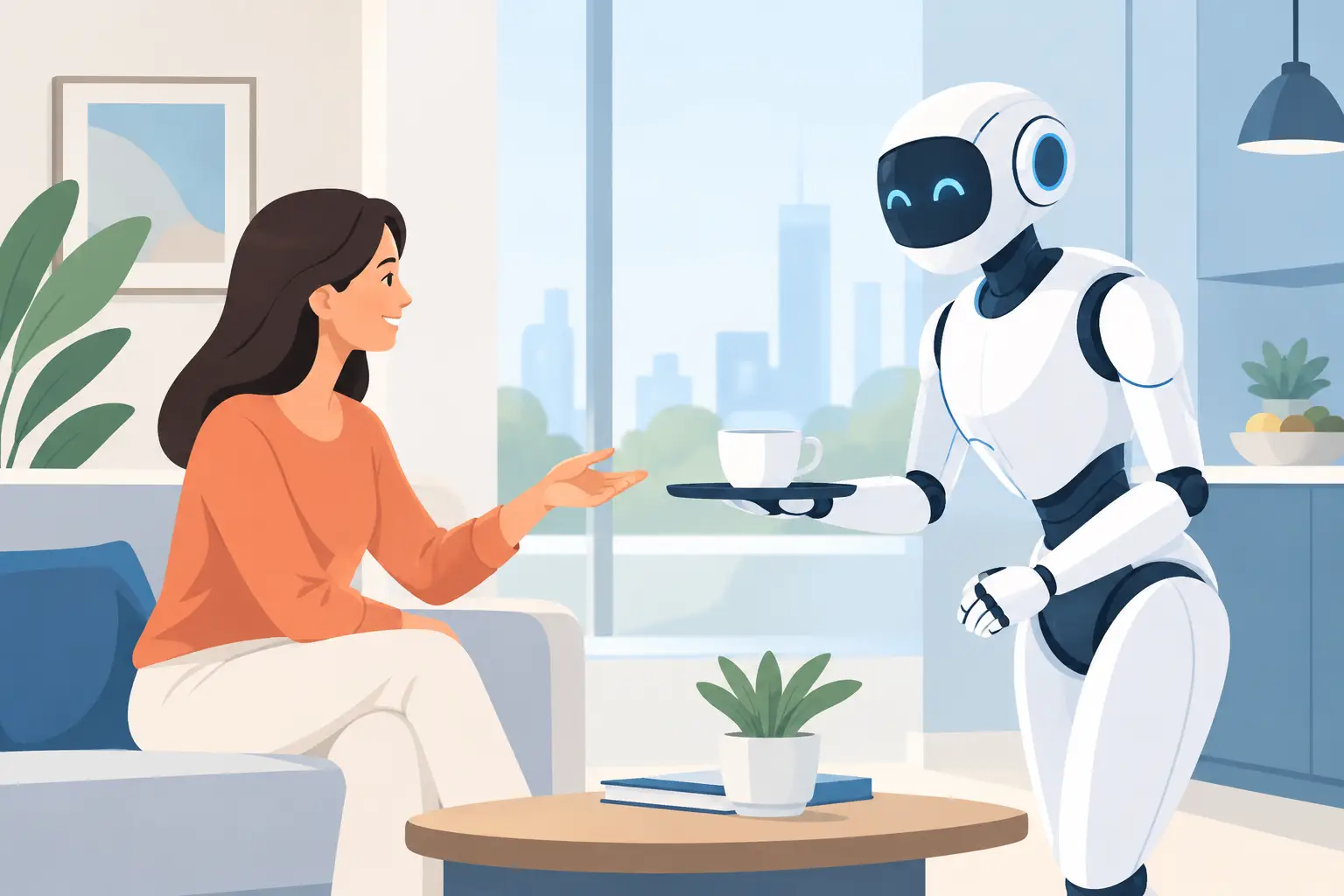
For consumers, the question is even more personal: would you be comfortable with this robot in your home when guests, children, or private conversations are present? If the answer is uncertain, the product experience still has work to do.
Regulation can make humanoids more believable
There is a temptation to frame regulation as the enemy of innovation. In robotics, weak rules can create the opposite outcome. One highly visible safety failure, privacy scandal, or deceptive autonomy claim can make the public wary of an entire category.
Thoughtful humanoid robot regulations can set the floor while leaving room for companies to compete on what matters: better movement, smarter manipulation, more useful AI, lower cost, stronger reliability, and more human-centered design.
The future of smart machines will not arrive because a robot looks incredible on stage. It will arrive when people can see one carrying out a useful task and think, with confidence, “Yes, this belongs here.”


Comments