The Rapid Growth of Robotics Explained: Expanding Robotics Trends
- Or Alkalay
- Mar 6
- 3 min read

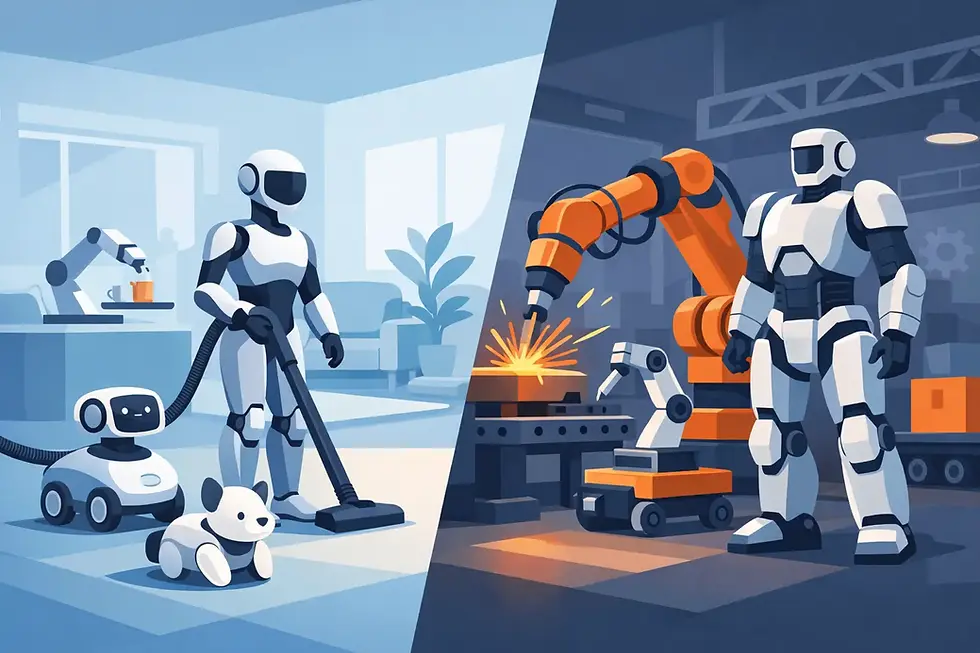
Robotics is booming. You’ve probably noticed it everywhere - in factories, homes, and even in movies. But why is robotics growing so fast? What’s driving this surge? Let me break it down for you. It’s exciting, it’s fast, and it’s changing the way we live and work. Let’s dive into the world of robotics and explore the expanding robotics trends shaping our future.
Why Robotics Is Growing So Fast
Robotics isn’t new, but the pace of innovation is. Why now? Several factors are pushing robotics into the spotlight:
Technology breakthroughs: AI, sensors, and materials have improved dramatically.
Cost reduction: Robots are cheaper to build and maintain.
Demand for automation: Businesses want faster, safer, and more efficient operations.
Labor shortages: Robots fill gaps where human workers are scarce.
Global competition: Companies race to adopt the latest tech to stay ahead.
Take manufacturing, for example. Robots used to be clunky and expensive. Now, they’re smart, flexible, and affordable. They can assemble cars, pack boxes, and even inspect products with precision. This means faster production and fewer errors.

Expanding Robotics Trends You Should Know
Let’s talk trends. What’s hot in robotics right now? Here are some key areas where robotics is expanding rapidly:
1. Collaborative Robots (Cobots)
Cobots work alongside humans. They’re designed to be safe and easy to program. Unlike traditional robots that work behind fences, cobots share the workspace with people. This makes them perfect for small businesses and flexible production lines.
2. AI-Powered Robotics
Artificial intelligence is a game-changer. Robots can now learn, adapt, and make decisions. This means they can handle complex tasks like quality control, customer service, and even medical procedures.
3. Humanoid Robots
Humanoids are robots that look and move like humans. They’re not just sci-fi anymore. These robots can assist in healthcare, education, and hospitality. They’re designed to interact naturally with people, making them ideal for service roles.
4. Autonomous Mobile Robots (AMRs)
AMRs navigate spaces on their own. Warehouses and hospitals use them to transport goods and supplies efficiently. They use sensors and maps to avoid obstacles and find the best routes.
5. Robotics in Agriculture
Farming is getting a tech upgrade. Robots can plant seeds, monitor crops, and harvest produce. This helps farmers increase yields and reduce labor costs.
These trends show how robotics is not just about machines but about smart, adaptable systems that fit into many industries.
How Robotics Is Changing Business Operations
Robotics is transforming how businesses operate. It’s not just about replacing humans but enhancing capabilities. Here’s how:
Increased productivity: Robots work 24/7 without breaks.
Improved quality: Precision reduces errors and waste.
Enhanced safety: Robots handle dangerous tasks.
Cost savings: Lower labor and operational costs.
Scalability: Easy to ramp up production when needed.
For example, in logistics, robots sort and move packages faster than humans. This speeds up delivery times and reduces errors. In healthcare, robots assist surgeons with precision, improving patient outcomes.
If you want to stay competitive, embracing robotics is no longer optional. It’s a must.

What Businesses Should Do to Keep Up
So, what can businesses do to ride this wave? Here are some practical steps:
Invest in research: Stay updated on the latest robotics tech.
Start small: Pilot projects with cobots or AMRs.
Train your team: Upskill employees to work alongside robots.
Partner with experts: Collaborate with robotics companies and researchers.
Focus on integration: Ensure robots fit smoothly into existing workflows.
Remember, robotics is not a one-size-fits-all solution. Tailor your approach to your industry and goals. For example, a retailer might focus on humanoid robots for customer service, while a manufacturer prioritizes automation on the production line.
The Future Is Now: Embracing Robotics Today
Robotics is not just a future concept. It’s happening now, and it’s expanding fast. The key is to understand the trends and act. Whether it’s cobots, AI, or autonomous robots, these technologies offer huge potential.
If you want to explore more about the latest in robotics, check out We-Are-The-RobotS. They’re building a global hub for everything robotics, especially humanoid robots. It’s a great resource to connect with top companies and stay ahead of the curve.
The rapid growth of robotics means new opportunities and challenges. But one thing is clear - robotics is here to stay, and it’s reshaping our world in exciting ways.
Ready to jump in? The future is robotic, and it’s waiting for you.
Keep exploring, keep innovating, and keep pushing the boundaries of what robots can do.


Comments